


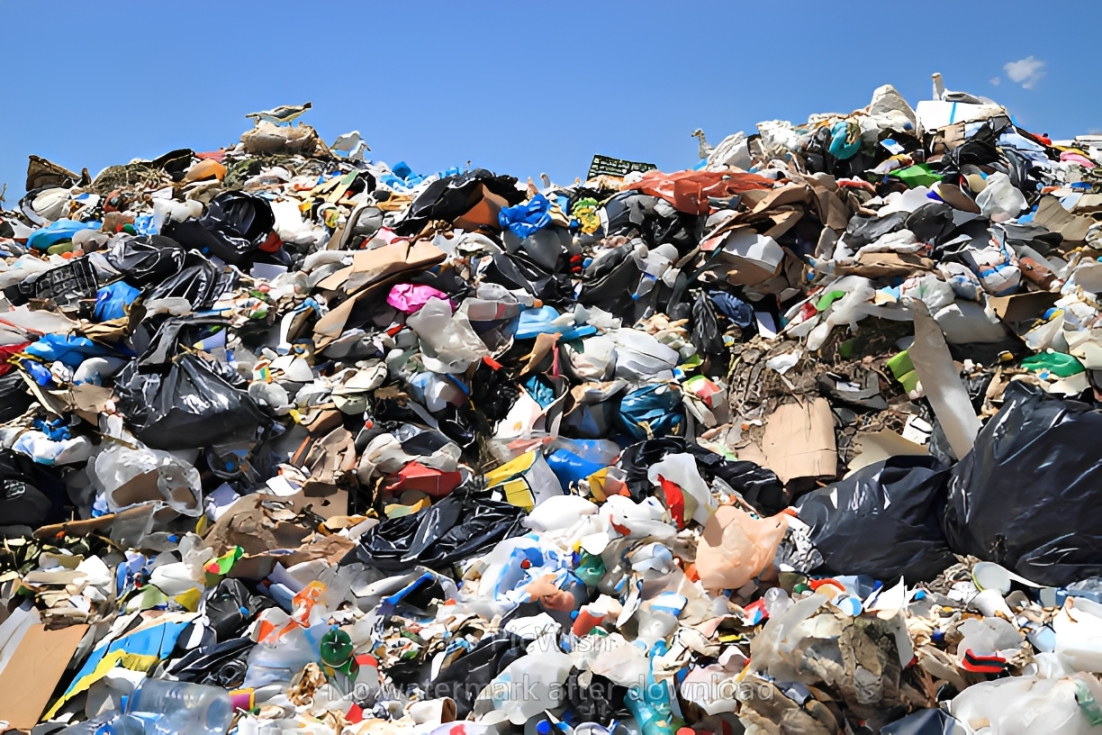
Children as young as 10 years old are scavenging through dumpsites across N’Djamena, Chad’s capital, in search of metal scraps to sell, highlighting the severe economic hardships facing many families in the country.
Known locally as “adjith kilos,” the discarded metal pieces are collected from garbage dumps, construction sites, and roadsides before being sold to scrap dealers or metal manufacturers for small amounts of money that help support struggling households.
Residents say worsening economic conditions have left many parents unable to afford school fees or provide adequate food, forcing children to contribute to their families’ income.
The practice is particularly common in areas including Walia, Chagoua, Diguel, and Gassi, where boys and girls spend long hours searching through waste for recyclable metal.
Moussa, a 12 year old boy from N’Djamena’s Eighth District, said he has been out of school for two years and now supports his mother and siblings through daily scavenging.
According to him, he earns between 500 and 1,000 Central African CFA francs on a good day after visiting several dumpsites.
Like many other children engaged in the activity, Moussa says working is a necessity rather than a choice, as the income helps provide food for his family.
Local residents say poverty, unemployment, and the inability of families to finance education are among the main reasons children are increasingly turning to scavenging for survival.
Child protection advocates warn that the work exposes children to numerous dangers, including injuries from sharp objects, infections, exposure to hazardous substances, road accidents, exploitation, and violence.
Gapili Lemba Valentin, a civil society activist in N’Djamena, said the growing number of children involved in scrap collection is particularly noticeable in the capital, where living conditions for many families have continued to deteriorate.
He warned that the hazardous work threatens children’s health, education, and overall development.
The situation is also affecting school attendance, with many children saying they would prefer to return to the classroom but have been forced to suspend their education in order to help their families survive.
Child rights advocates caution that prolonged absence from school significantly reduces future educational and employment opportunities for affected children.
Although Chad is a signatory to the United Nations Convention on the Rights of the Child and has laws prohibiting minors from engaging in hazardous work, enforcement remains limited.
Civil society organisations have called on the government to strengthen social protection programmes, provide greater support for vulnerable families, improve access to education, and expand child protection initiatives aimed at keeping children in school.
Observers also stress that reducing child labour will require broader efforts to improve household incomes, create sustainable employment opportunities for parents, and address the underlying economic conditions forcing children into dangerous work.
SOURCE MFS NEWS








Leave a comment