


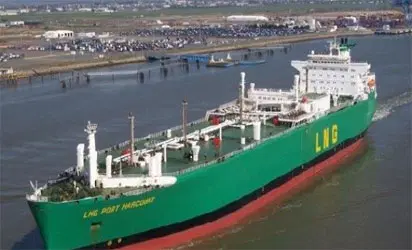
Nigeria’s liquefied natural gas (LNG) exports generated an estimated ₦20.06 trillion as global LNG trade reached a record high, reflecting strong international demand for cleaner energy sources and reinforcing the country’s position as one of the world’s leading natural gas exporters.
The increase in export earnings comes amid growing global consumption of LNG as countries continue to diversify their energy sources, improve energy security and reduce dependence on more carbon intensive fuels. Rising demand across Europe, Asia and other key markets has contributed to the expansion of international LNG trade.
Industry analysts said Nigeria has benefited from favourable market conditions, supported by sustained production from existing liquefaction facilities and continued demand for long term LNG supply contracts. The improved performance is expected to strengthen the country’s foreign exchange earnings and support government revenue.
The strong export performance also highlights the strategic importance of Nigeria’s vast natural gas reserves, which remain among the largest in Africa. Stakeholders believe increased investment in gas infrastructure, processing facilities and export capacity will enable the country to maximise the economic value of its gas resources.
Experts noted that expanding LNG exports aligns with Nigeria’s broader strategy of promoting natural gas as a transition fuel while supporting industrialisation, electricity generation and economic diversification. They emphasised that greater utilisation of the country’s gas resources could reduce dependence on crude oil revenues and enhance long term economic resilience.
The positive outlook for global LNG trade is also expected to encourage additional investment in upstream gas development, pipeline infrastructure and liquefaction projects. Such investments could increase production capacity, create employment opportunities and strengthen Nigeria’s competitiveness in the global energy market.
Despite the encouraging performance, analysts stressed the need for continued investment in infrastructure, policy stability and operational efficiency to maintain Nigeria’s share of the increasingly competitive global LNG market. They also highlighted the importance of addressing security challenges and improving the investment climate to attract further capital into the gas sector.
The growth in LNG exports is expected to support Nigeria’s external reserves, improve the balance of trade and contribute to overall economic growth as global demand for natural gas continues to expand.
As the international energy market evolves, stakeholders believe Nigeria is well positioned to leverage its abundant natural gas resources to drive sustainable economic development, increase export earnings and strengthen its role in the global energy transition.
SOURCE: VANGUARD










Leave a comment