


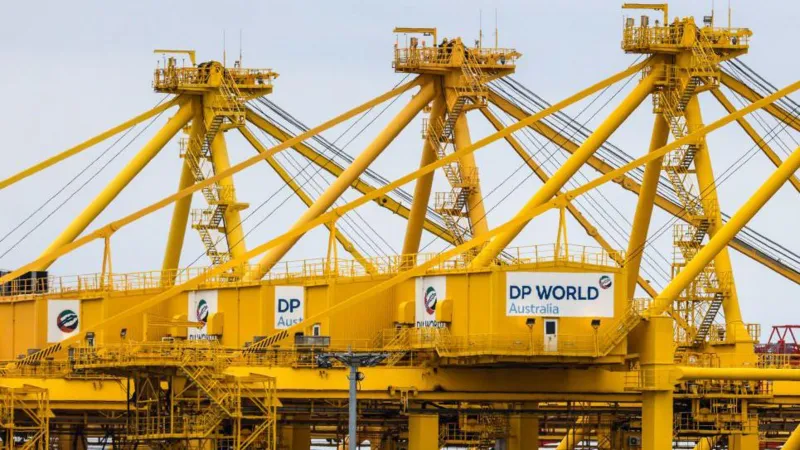
Dock workers in Australia are pushing for a 28 hour working week as part of ongoing negotiations over the growing use of artificial intelligence and automation in the country’s maritime industry.
The demand comes amid concerns that rapid advances in AI powered technologies, automated equipment and digital systems could significantly reduce the need for human labour at ports. Union leaders argue that if technology improves productivity and reduces workloads, workers should benefit through shorter working hours without suffering a reduction in pay.
The Maritime Union of Australia said technological innovation should improve employees’ quality of life rather than lead to job losses or increased pressure on the existing workforce. The union believes a reduced working week would allow workers to share the gains from higher productivity while maintaining safe and efficient port operations.
Employers, however, have expressed reservations about the proposal, arguing that a shorter working week could increase labour costs and create operational challenges in an industry that depends on continuous cargo handling and strict shipping schedules. Port operators insist that automation and artificial intelligence are necessary to improve efficiency, strengthen supply chains and keep Australian ports competitive in the global market.
Negotiations between the union and employers have focused on how artificial intelligence should be introduced into port operations. Worker representatives are seeking guarantees that AI will complement human labour rather than replace it and are calling for retraining programmes, employment protections and greater consultation before new technologies are deployed.
The debate reflects a broader global conversation about the impact of artificial intelligence on employment. As businesses across multiple industries invest in AI to increase productivity and reduce operating costs, labour organisations are pressing for policies that ensure workers also benefit from technological progress.
Economists say advances in artificial intelligence could reshape working patterns over the coming years. Some believe productivity gains may eventually support shorter working weeks without reducing economic output, while others argue that such changes will depend on industry specific conditions, labour market demands and the pace of technological adoption.
The outcome of the Australian negotiations is being closely watched by labour unions and employers around the world, as it could influence future discussions on workplace reforms in sectors increasingly adopting artificial intelligence and automation.
If an agreement is reached, it may serve as an important benchmark for balancing technological innovation with workers’ rights, demonstrating how businesses and employees can adapt to the changing nature of work in the age of artificial intelligence.
SOURCE: BBC









Leave a comment