


Federal Government moves to examine the impact of artificial intelligence and global technology platforms on Nigeria’s media industry amid growing concerns over copyright, revenue losses and digital fairness.
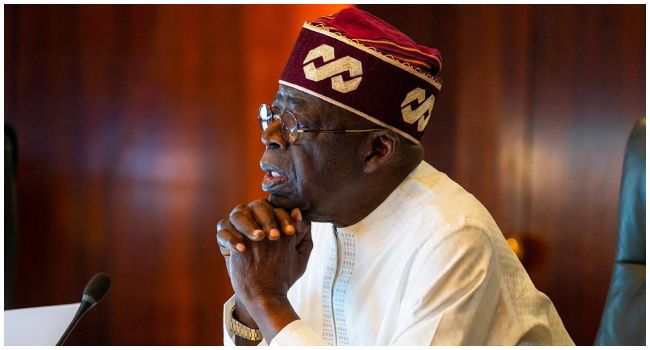
President Bola Tinubu has directed a comprehensive investigation into the activities of major global technology companies and artificial intelligence platforms over allegations that they are exploiting news content produced by Nigerian media organisations without adequate compensation or authorisation.
The move signals the Federal Government’s growing concern over the rapid expansion of artificial intelligence technologies and digital platforms that rely heavily on journalistic content to train AI models and generate responses, raising questions about copyright protection, intellectual property rights and the sustainability of the country’s media industry.
The investigation is expected to examine how global technology companies collect, process and utilise news content generated by Nigerian publishers, broadcasters and digital media organisations. It will also assess whether existing laws adequately protect local content creators in an increasingly AI-driven digital economy.
Government officials say the review is aimed at ensuring that Nigerian media organisations receive fair recognition and economic value for the content they produce, while establishing a regulatory framework that promotes innovation without undermining the rights of publishers and journalists.
The directive comes at a time when media organisations around the world are expressing growing concerns about the use of their articles, photographs and other editorial materials by artificial intelligence companies to develop large language models and other AI-powered products. Many publishers argue that these platforms derive significant commercial value from professionally produced content without entering into licensing agreements or providing financial compensation.
The Federal Government is also expected to evaluate the broader economic implications of artificial intelligence on Nigeria’s creative and knowledge industries. Beyond journalism, the investigation may consider the impact of AI on publishing, broadcasting, advertising, entertainment and other sectors where original content serves as a valuable economic asset.
Industry stakeholders have welcomed the move, describing it as an opportunity to strengthen Nigeria’s digital economy while protecting the intellectual property rights of content creators. They argue that as artificial intelligence becomes more integrated into everyday life, governments must establish clear rules that balance technological advancement with fair compensation for those whose work supports AI development.
Media executives have repeatedly raised concerns over declining advertising revenues and increasing competition from global digital platforms. They contend that the widespread use of locally produced news content by search engines, social media companies and AI systems has altered the economics of journalism, making it more difficult for news organisations to sustain quality reporting.
Experts believe the investigation could pave the way for new policies governing the relationship between technology companies and news publishers. Such measures may include licensing frameworks, revenue-sharing arrangements, stronger copyright enforcement and greater transparency regarding how AI systems access and utilise digital content.
The review is also expected to consider international developments, as several countries have introduced or are considering regulations requiring technology companies to compensate media organisations for the use of news content. These initiatives are designed to promote a more balanced digital ecosystem where innovation can flourish alongside sustainable journalism.
Beyond issues of copyright and revenue, the investigation may also address concerns surrounding misinformation, content authenticity and the ethical use of artificial intelligence. As AI-generated content becomes increasingly sophisticated, governments and regulators are paying closer attention to its potential impact on public trust, information integrity and democratic discourse.
Technology companies have generally maintained that artificial intelligence has the potential to enhance productivity, improve access to information and create new opportunities for innovation across multiple sectors. Many have also entered into licensing agreements with major international publishers to support responsible AI development while respecting intellectual property rights.
For Nigeria, the investigation represents an important step towards defining how artificial intelligence will be governed within the country’s rapidly evolving digital economy. It reflects the government’s determination to ensure that technological progress does not come at the expense of local innovation, creative industries or the long-term sustainability of professional journalism.
As artificial intelligence continues to reshape global information systems and digital business models, the outcome of the investigation could influence future policies on AI regulation, copyright protection and digital competition. It may also establish new standards for how technology companies engage with Nigerian media organisations, ensuring that innovation is accompanied by fairness, accountability and respect for intellectual property rights.
SOURCE: CHANNELS








Leave a comment