


Global oil prices climbed sharply after the United States launched fresh military strikes on Iranian targets and announced the reimposition of additional sanctions on Tehran, raising fears of renewed supply disruptions in the Middle East.
The latest escalation has heightened tensions in one of the world’s most important oil producing regions, prompting traders to reassess the risks to global energy supplies. Brent crude and West Texas Intermediate futures both recorded gains as investors reacted to the possibility of tighter oil markets.
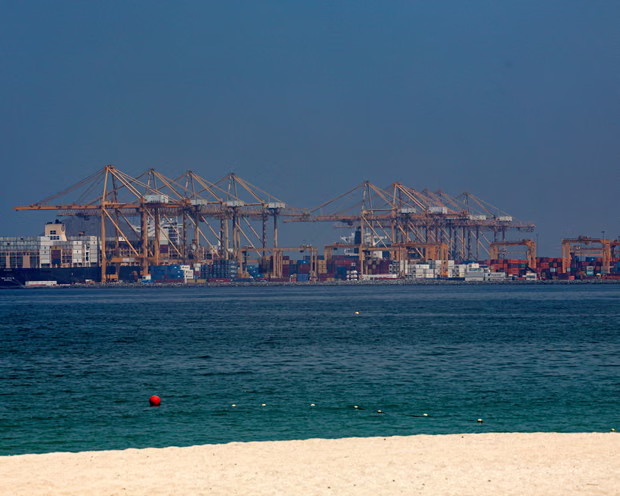
Market analysts said concerns over potential disruptions to Iranian oil exports and shipping routes through the Strait of Hormuz were among the main factors driving prices higher. The strategic waterway handles a significant share of the world’s seaborne crude oil, making any threat to its security a major concern for global energy markets.
The renewed sanctions are expected to place additional pressure on Iran’s economy by restricting its oil exports and limiting access to international financial markets. Although previous sanctions have reduced Iranian crude shipments, analysts believe further restrictions could tighten global supply if demand remains strong.
Energy traders are also closely monitoring the response from the Organisation of the Petroleum Exporting Countries and its allies, which could adjust production levels if supply disruptions become prolonged. Other major oil producing nations may also increase output to help stabilise the market should prices continue to rise.
Higher crude oil prices could have significant implications for the global economy, particularly by increasing transportation and manufacturing costs. Rising energy prices often contribute to higher inflation, forcing central banks to balance economic growth with efforts to control consumer prices.
For Nigeria, stronger oil prices could boost export earnings, government revenues and foreign exchange inflows, providing additional fiscal support for the country’s budget. However, sustained increases in crude prices may also lead to higher domestic fuel and transportation costs if international market trends continue.
Financial markets responded cautiously to the developments, with investors seeking safer assets while monitoring further geopolitical events in the Middle East. Analysts warned that continued military escalation or additional sanctions could increase volatility across energy and financial markets in the coming weeks.
Industry experts noted that while geopolitical tensions often trigger short term price spikes, the long term direction of oil prices will depend on global demand, production levels by major exporters and the overall stability of energy supply chains.
The latest developments underscore the sensitivity of global oil markets to geopolitical events, highlighting how conflicts involving major energy producing nations can quickly influence prices, trade flows and economic conditions around the world.
SOURCE: THE GUARDIAN







Leave a comment