


Nigeria’s telecommunications industry has intensified efforts to accelerate fibre-to-the-home (FTTH) deployment, describing it as critical to achieving the country’s digital economy ambitions despite persistent infrastructure and regulatory challenges.
The renewed push took centre stage at the Association of Telecommunications Operators of Nigeria (ATCON) Critical Conversation Forum on FTTH in Lagos, where industry stakeholders called for coordinated action to expand fixed broadband access across the country.
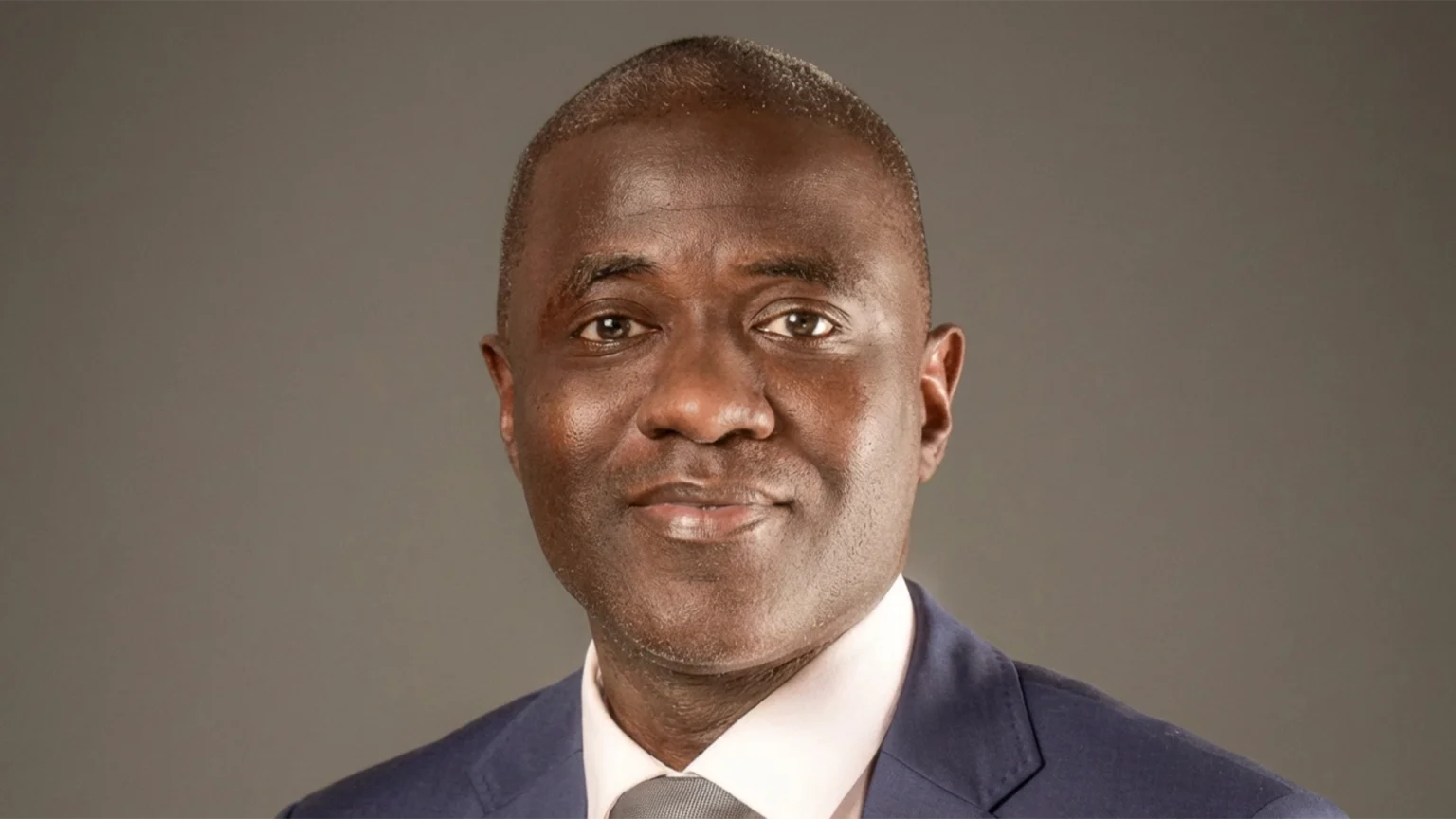
Speaking at the forum, the Executive Vice Chairman and Chief Executive Officer of the Nigerian Communications Commission (NCC), Dr. Aminu Maida, disclosed that Nigeria currently has 154.72 million active internet subscriptions and broadband penetration of 55.67 per cent. However, only about 265,000 FTTH subscriptions are active nationwide, placing the country well below both African and global averages for fixed broadband penetration.
Maida stressed that while mobile networks have significantly improved internet access, they are not designed to meet the country’s long-term broadband needs, especially as Nigerians consume an estimated 1.4 million terabytes of data monthly.
Industry stakeholders also raised concerns over the growing challenges affecting fibre infrastructure. Between January and December 2025, operators recorded more than 27,685 fibre cuts, over 27,000 cases of access denial, and 4,210 incidents of theft, resulting in widespread service disruptions.
Chairman of the ATCON Fibre Clean-Up Committee, Segun Okuneye, said the industry has commenced pilot projects in key parts of Lagos, including Ikeja, Lekki Phase 1 and Victoria Island, to address poor cable management and improve infrastructure safety.
The forum also highlighted the lingering right-of-way (RoW) challenge. Although 13 states have waived RoW charges and 16 others have adopted the National Economic Council’s recommended rate of ₦145 per linear metre, operators noted that unofficial levies and community-related charges continue to increase deployment costs.
Managing Director of VDT Communications, Biodun Omoniyi, urged state governments to strengthen legal protections for telecommunications infrastructure, while MTN Nigeria’s Chief Broadband Officer, Egerton Idehen, called for an end to multiple informal charges imposed during fibre deployment.
Stakeholders advocated greater infrastructure sharing as a cost-effective strategy for expanding broadband access. ATCON President, Tony Izuagbe Emoekpere, urged operators to embrace self-regulation and common standards for shared infrastructure instead of relying solely on regulatory intervention.
Technology providers also presented shared-network models aimed at reducing duplication and accelerating fibre rollout across underserved communities.
Participants agreed that achieving nationwide fibre connectivity will require collaboration among government, regulators, operators, infrastructure providers, investors and estate developers.
They concluded that expanding fibre broadband is essential to improving digital access, supporting economic growth, enhancing education and healthcare services, and positioning Nigeria for a more competitive digital future.
Source: The Guardian










Leave a comment