


The Federal Government has announced plans to construct internal drainage systems and service roads in communities affected by flooding along the Lagos-Calabar Coastal Highway as part of efforts to improve flood management and protect residents.
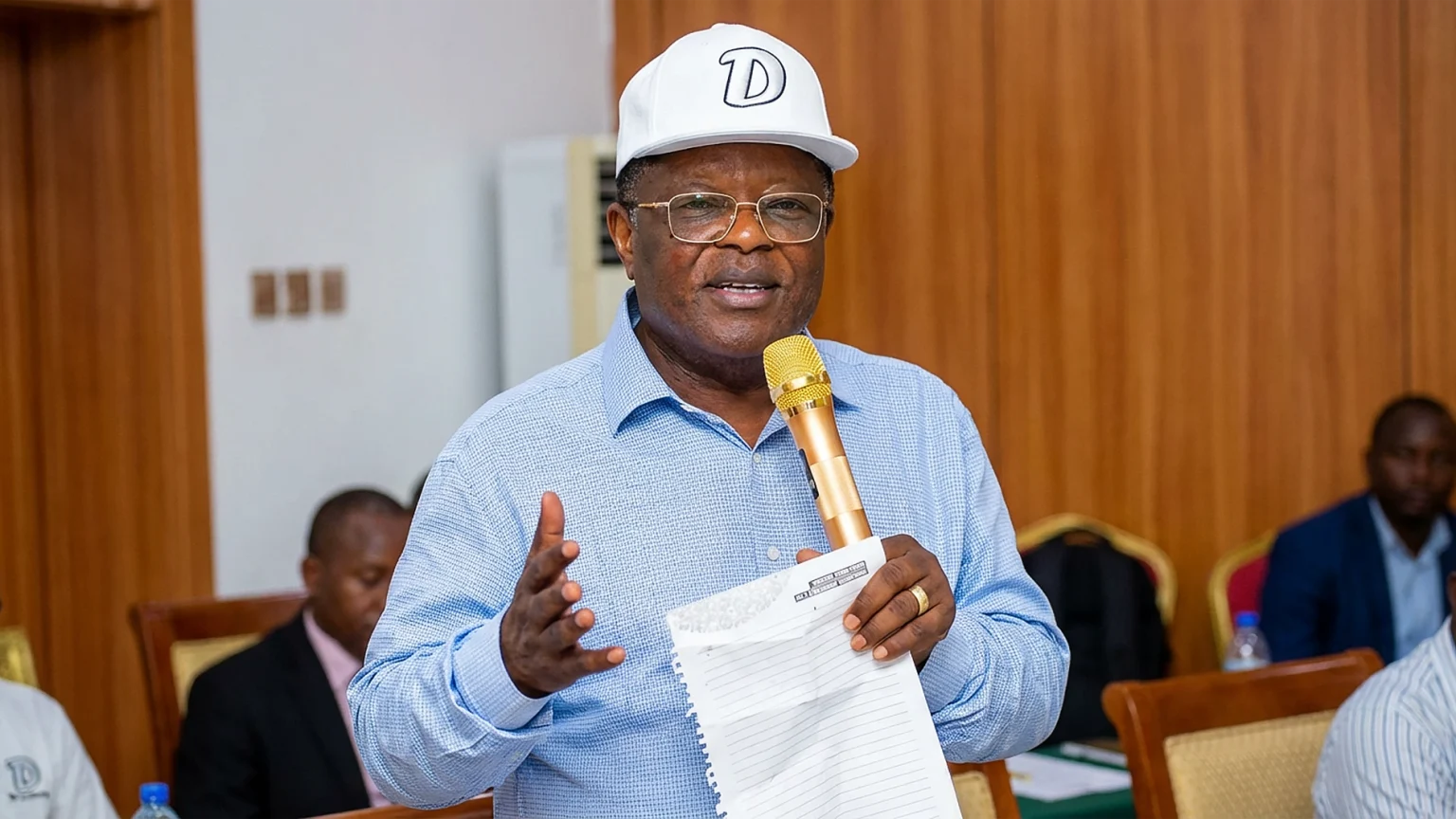
The Minister of Works, David Umahi, disclosed the plan during an inspection of Section One of the Lagos-Calabar Coastal Highway alongside the Minister of State for Works, lawmakers, environmental experts, officials of the Federal Ministry of Environment, representatives of Hitech Construction Company, and presidential aides.
Umahi said the inspection was directed by President Bola Tinubu following public concerns that the ongoing highway project contributed to recent flooding in communities along the corridor.
According to the minister, findings from the inspection showed that the flooding was primarily caused by human activities, including illegal sand-filling of natural drainage channels, encroachment on flood retention areas, blocked waterways, indiscriminate waste disposal, and longstanding environmental challenges rather than the construction of the coastal highway.
He explained that several natural channels that previously conveyed stormwater into the Kuramo Lagoon had been obstructed, preventing floodwaters from draining naturally.
Umahi revealed that the Federal Government had already stopped illegal reclamation activities in affected areas and would continue working with the Lagos State Government to restore damaged drainage channels and strengthen flood management infrastructure.
While acknowledging that some communities require additional intervention, he said the government is prepared to construct internal drainage systems and service roads where necessary. However, he noted that some structures located within the project corridor may have to be removed to accommodate the new infrastructure, with compensation to be paid where applicable.
The minister also defended the engineering design of the Lagos-Calabar Coastal Highway, noting that the project incorporates multiple drainage structures and strategically located culverts to facilitate the free flow of stormwater.
During the inspection at Alpha Beach, Umahi maintained that flooding in the area predated the highway project, attributing the problem largely to poor urban planning, low-lying developments, and inadequate environmental assessments carried out before many buildings were constructed.
He added that shoreline protection and land reclamation works being executed by Hitech Construction are helping to shield nearby communities from coastal erosion and ocean surges, describing the approach as similar to the model used in the development of Eko Atlantic City.
Also speaking, Chairman of the House of Representatives Committee on Works, Akin Alabi, urged journalists, broadcasters, and social media users to seek expert opinion before drawing conclusions on technical infrastructure issues.
The Director of Environmental Assessment at the Federal Ministry of Environment, Rofikat Odetoro, said flooding in Lagos is driven by several factors, including climate change, rising sea levels, heavy rainfall, rapid urbanisation, blocked drainage systems, and inadequate planning, stressing that addressing the challenge requires coordinated action by government and residents alike.
Source: The Guardian









Leave a comment