


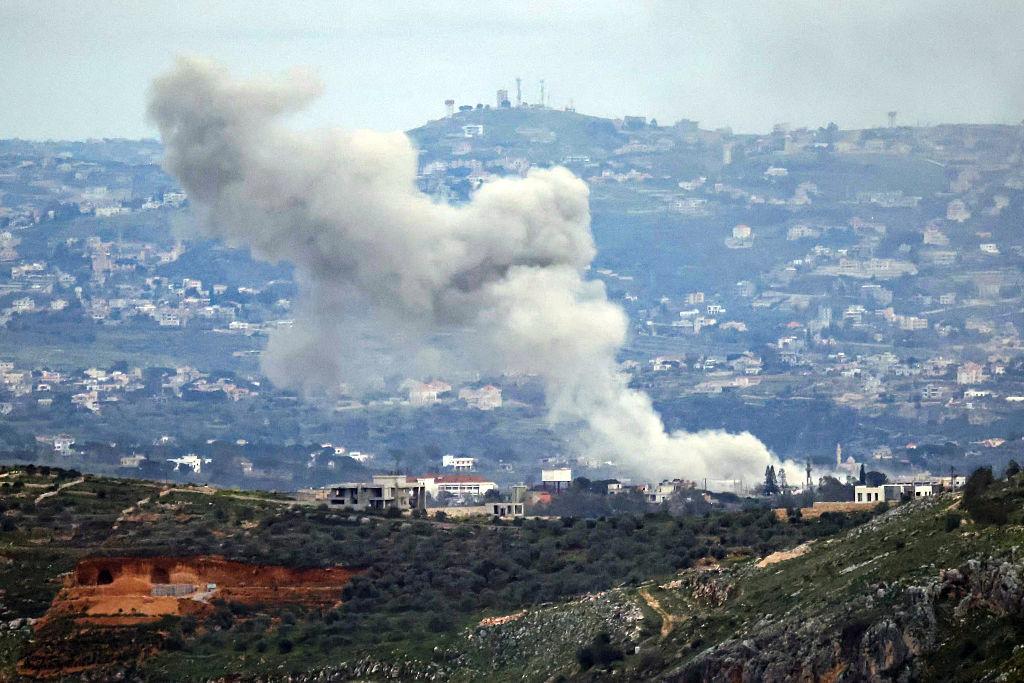
Beirut, Lebanon — Tensions remain high along the Israel-Lebanon border as Israeli forces carried out fresh airstrikes in southern Lebanon, while Hezbollah continued to reject a newly signed U.S.-brokered agreement aimed at ending months of hostilities.
The latest strikes come just days after Lebanon and Israel endorsed a framework intended to pave the way for a broader security arrangement. Despite the diplomatic breakthrough, violence has persisted, raising concerns about the durability of the agreement.
According to CNN, BBC, and Al Jazeera, Hezbollah has denounced the agreement, describing it as a surrender that undermines Lebanon’s sovereignty and unfairly links an Israeli military withdrawal from southern Lebanon to the group’s disarmament.
Hezbollah Deputy Secretary-General Naim Qassem said the movement would not recognize the deal and insisted that Israel must withdraw unconditionally from occupied Lebanese territory before any discussion of security arrangements could take place.
Israeli officials, however, defended the agreement as an important step toward restoring security along the border. Prime Minister Benjamin Netanyahu has maintained that Israeli forces will remain in parts of southern Lebanon until Hezbollah no longer poses a military threat, despite the framework outlining a phased withdrawal.
Israeli drone and air strikes have continued to target locations that Israel says are linked to Hezbollah’s military infrastructure. Lebanese authorities and local media reported additional strikes in southern Lebanon, fuelling fears that the fragile agreement could quickly unravel.
The agreement has also exposed deep political divisions inside Lebanon. Hezbollah and its allies argue that the framework legitimizes Israel’s continued military presence and places unrealistic obligations on the Lebanese government and armed forces. Several Lebanese political figures have warned that implementing the agreement without broad national consensus could deepen domestic tensions.
Meanwhile, humanitarian concerns remain severe. Thousands of displaced Lebanese have begun returning to their homes following a reduction in large-scale fighting, but many communities remain devastated by months of conflict. Damaged infrastructure, destroyed homes, and limited access to essential services continue to hamper recovery efforts.
Diplomatic efforts led by the United States are continuing, with hopes that the agreement can eventually produce a lasting ceasefire and facilitate the deployment of the Lebanese Armed Forces in southern Lebanon. However, analysts caution that the continued exchange of military strikes and Hezbollah’s outright rejection of the framework leave the future of the agreement uncertain.
Sources: CNN, BBC News, and Al Jazeera.







Leave a comment