


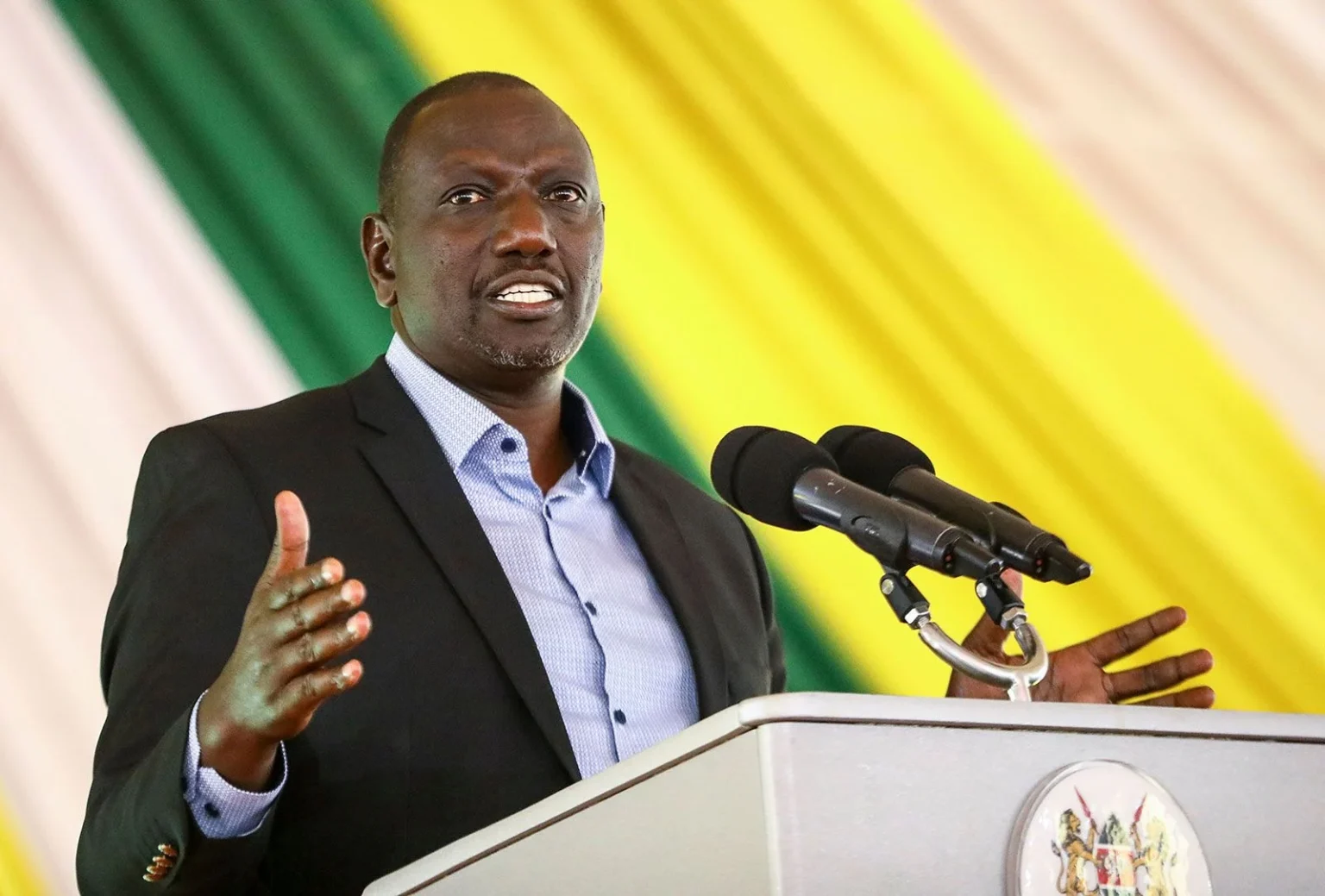
Kenyan President William Ruto’s participation at the recent G7 Summit underscored Africa’s growing determination to secure a stronger voice in global economic governance. Speaking before leaders of the world’s largest industrialised economies, Ruto called for a more inclusive international financial system, greater investment in Africa, and stronger partnerships to address climate change, debt sustainability, food security, and infrastructure development.
His message reflected a broader Pan African vision that seeks to reposition the continent as a strategic partner rather than a passive recipient of international assistance. Ruto argued that Africa possesses enormous economic potential, with its youthful population, abundant natural resources, expanding consumer market, and increasing digital innovation capable of driving global growth if supported by fairer financial and trade policies.
Among the key issues raised was the need to reform international lending institutions to provide developing countries with more affordable financing. Many African governments continue to face rising debt servicing costs, limiting their ability to invest in critical sectors such as healthcare, education, transport, and energy. Ruto maintained that sustainable development requires easier access to capital and financing mechanisms that reflect the realities of emerging economies.
The Kenyan leader also advocated stronger international cooperation on climate finance. Although Africa contributes only a small share of global greenhouse gas emissions, the continent remains one of the regions most vulnerable to climate related disasters, including droughts, floods, and food insecurity. He urged developed nations to honour their climate finance commitments and support Africa’s transition to renewable energy and climate resilient infrastructure.
However, while Ruto’s Pan African message received attention on the global stage, it also highlighted the gap between continental ambitions and domestic realities. Kenya, like several other African economies, continues to grapple with high public debt, inflationary pressures, unemployment, and growing public concern over taxation and the rising cost of living. These internal economic challenges have complicated efforts to present Africa as a unified model of sustainable growth.
Political analysts note that many African leaders face similar dilemmas. While advocating for reforms to the global financial architecture, governments across the continent must also strengthen domestic institutions, improve governance, tackle corruption, expand industrialisation, and create jobs for rapidly growing populations. Without addressing these structural issues, the continent’s negotiating position in international forums may remain constrained.
Despite these challenges, Ruto’s participation at the G7 reflects Africa’s increasing relevance in global discussions on trade, energy security, food production, digital innovation, and critical minerals. The continent is becoming an important partner in addressing many of the world’s shared economic and environmental challenges.
For Nigeria and other African countries, the discussions reinforce the importance of pursuing policies that attract investment, strengthen regional integration under the African Continental Free Trade Area, and improve infrastructure capable of supporting long term economic transformation. At the same time, governments must ensure that economic reforms translate into improved living standards for their citizens.
Ultimately, President Ruto’s appearance at the G7 demonstrated both the promise and the complexity of Africa’s development journey. The continent’s leaders continue to demand greater representation and fairness in global decision making, but lasting progress will depend equally on effective domestic reforms, accountable governance, and sustained investment in human capital and productive sectors.
As Africa seeks a larger role in shaping the global economy, bridging the gap between ambitious Pan African aspirations and the everyday realities facing millions of citizens will remain one of the continent’s greatest challenges.
SOURCE: PUNCH







Leave a comment