


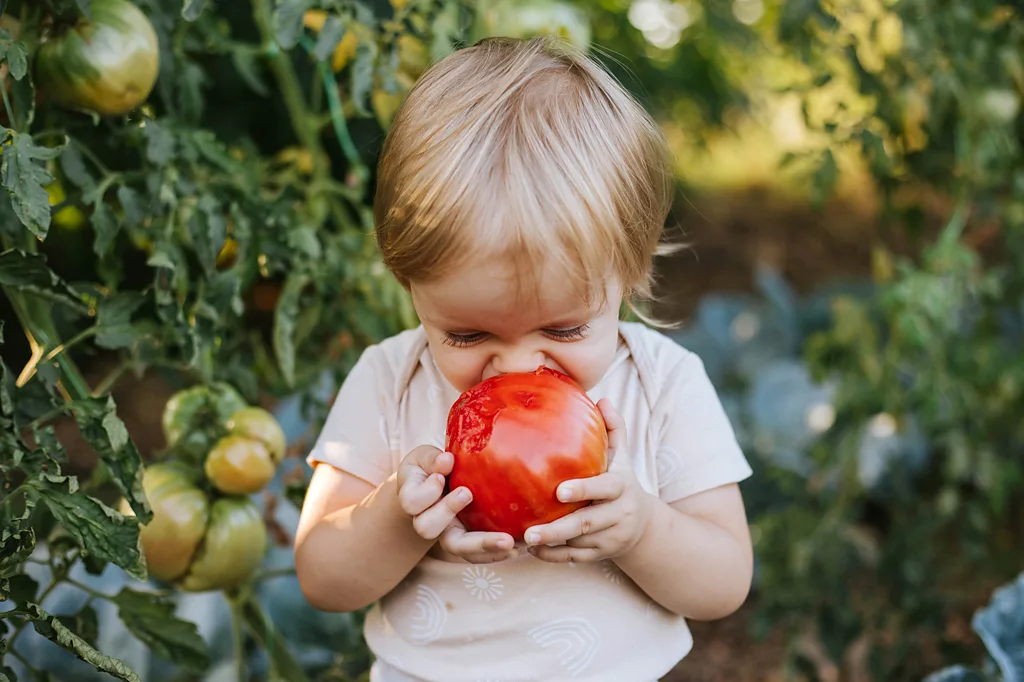
Many parents struggle to get their children to eat vegetables, with some youngsters preferring only a few familiar foods. However, nutrition experts say simple daily habits can help children develop healthier eating patterns that last into adulthood.
A balanced diet rich in fruits and vegetables is essential for children’s growth, learning, and overall health. It supports brain development, improves concentration, and lowers the risk of obesity and other long-term health problems.
Here are six expert-backed ways parents can encourage healthier eating habits:
1. Introduce Vegetables Early and Keep Trying
Experts recommend exposing children to a variety of vegetables from an early age, especially during the preschool years. Children may need to be offered the same vegetable several times before they accept it, so parents should remain patient and consistent rather than giving up after one or two attempts.
2. Serve Vegetables Before Other Foods
Offering vegetables at the beginning of a meal, when children are hungriest, can increase the chances that they will eat them. Waiting until the end of the meal often means children are already full or more interested in their favourite foods.
3. Add More Vegetables to Everyday Meals
Parents can increase vegetable intake by adding them to meals children already enjoy. Grated carrots, zucchini, spinach, or other vegetables can be mixed into sauces, soups, stews, rice, or pasta dishes without significantly changing the taste.
4. Make Vegetables More Appealing
Presentation matters. Cutting vegetables into fun shapes, arranging them creatively on the plate, or serving colourful combinations can make healthy foods more attractive to children and encourage them to try something new.
5. Eat Healthy Meals Together
Children are more likely to eat vegetables when they see their parents and siblings doing the same. Regular family meals help establish healthy eating habits and encourage children to view nutritious foods as a normal part of everyday life.
6. Keep Mealtimes Positive and Fun
Experts advise against forcing children to eat vegetables or using sweets as rewards. Instead, parents should create a relaxed environment where children can explore new foods by touching, smelling, and tasting them without pressure. This helps reduce fear of unfamiliar foods and builds confidence in trying different meals.
Health experts say that while every child develops different food preferences, consistency, patience, and positive encouragement can go a long way in helping children enjoy a healthier and more balanced diet.
Source: BBC News






Leave a comment